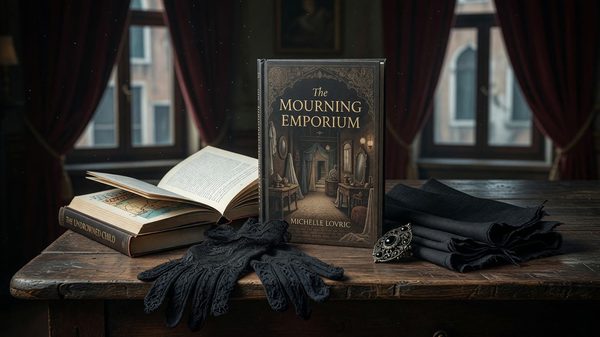
There is a tradition of cats in literature that predates most literary traditions, and Europe — Venice especially — has maintained it with more commitment than most. Cats appear in children’s fantasy because they are genuinely mysterious to children: they operate by their own logic, they appear to understand more than they let on, and they consistently refuse to perform loyalty on demand. All of which makes them excellent literary companions.
Michelle Lovric’s Venetian fantasy series draws on the actual cats of Venice — a city that has always had a different relationship with its feline population than most European cities. In Lovric’s fictional Venice, that relationship extends into the magical: the boundary between cat and human is more permeable, and cats carry information that people cannot access.
The Feline Fridays feature on this blog started as an excuse to talk about animals in books — specifically cats — and has become something else: a record of how often writers reach for cats when they need a character who is both present and withheld. Cats in fiction function as the thing that knows more than it says.
Lovric’s cats know a great deal.
Related: The Mourning Emporium by Michelle Lovric
Frequently Asked Questions
Why do cats appear so frequently in children’s fantasy literature? The article argues cats appear in children’s fantasy because ’they are genuinely mysterious to children: they operate by their own logic, they appear to understand more than they let on, and they consistently refuse to perform loyalty on demand.’ These qualities make them excellent literary companions — present but withholding, which gives them narrative usefulness.
How does Michelle Lovric use Venice’s cats in her fiction? Lovric’s Venetian fantasy series draws on the actual cats of Venice — a city described as having a different relationship with its feline population than most European cities. In her fiction, the boundary between cat and human is more permeable, and cats carry information that people cannot access, making them active participants in the narrative rather than background details.
What literary function do cats serve in fiction according to this article? The article argues that cats in fiction consistently function as ’the thing that knows more than it says’ — a recurring figure writers reach for when they need a character who is both present and withheld. The Feline Fridays feature evolved into a record of how often writers use this particular mode of feline presence.
What is Venice’s relationship with its cat population historically? The article describes Venice as a city that ‘has always had a different relationship with its feline population than most European cities’ — a historically documented reality that Lovric transforms into the magical premise of her Venetian fantasy series, where that human-cat relationship extends into genuine permeability between the two worlds.
Further Reading from Authoritative Sources
- cats in literary and cultural tradition — Wikipedia’s article on cats in ancient Egypt contextualises the deep historical roots of human-feline relationships in culture and storytelling, providing the background for the article’s claim that cats’ literary tradition predates most literary traditions.
- Michelle Lovric — Wikipedia’s Michelle Lovric article provides biographical and bibliographical context for the author whose Venetian fantasy series is the central example in this article, helping readers locate her work within the broader context of children’s fantasy literature.